Financial health doesn’t happen by accident — it’s built through awareness, planning, habits, and consistency. No matter what decade of life you’re in, your financial health score helps you understand how strong your financial foundation is and what steps you must take to improve it. In this comprehensive breakdown, we’ll dive into what your financial health score should look like in your 20s, 30s, 40s, and 50s — and how you can keep strengthening it.
Understanding the Financial Health Score
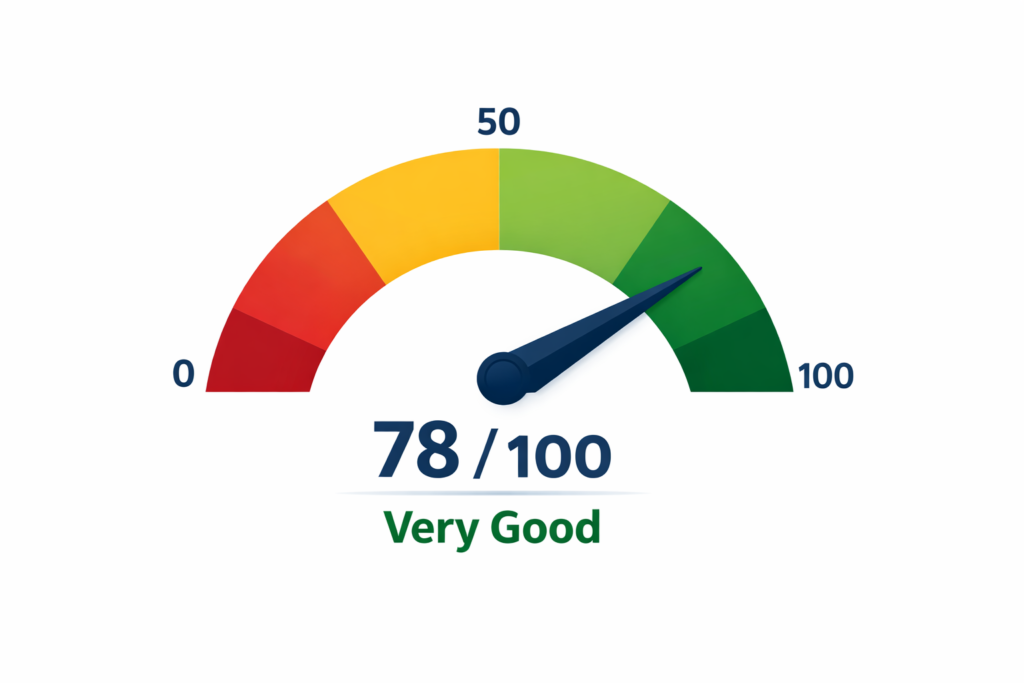
A financial health score is essentially a numeric representation of how well you are managing your financial life. It’s like your personal wealth report card — covering how you earn, spend, save, invest, and protect your money.
The score typically measures several aspects, including your savings rate, investment growth, credit behavior, risk protection, and overall financial stability.
Key Components of a Financial Health Evaluation
To understand how age affects financial health, let’s first break down what goes into the score.
Income Stability
A steady income gives financial strength and lowers stress. As you age, your earnings potential usually increases — but so do responsibilities.
Debt-to-Income Ratio
Debt to income ratio is a major factor.
Lower debt compared to income means healthier finances.
Savings Rate
Are you saving 10%, 20%, or 30% of your income?
Your savings habits reveal long-term preparedness.
Investment Growth
Investments show how well your money is working for you, not just how much you earn.
Insurance Coverage
Life, health, and term insurance contribute to financial stability.
Why Financial Health Changes With Age
Your score evolves as your life circumstances change. Here’s why:
Income Growth Cycles
- In your 20s, income starts low.
- By your 30s and 40s, it grows significantly.
- In your 50s, income stabilizes and may peak.
Lifestyle and Family Responsibilities
Family, home loans, children’s education — each stage adds layers to your financial commitments.
Risk Tolerance Over Time
You can take more risks in your 20s than in your 50s.
Your age influences how aggressively or conservatively you should invest.
Financial Health Score in Your 20s
Your 20s are the chapter of financial beginnings — your first job, first investments, maybe your first debt.
What a Healthy Score Looks Like in Your 20s
A strong financial health score at this age usually includes:
- Low or manageable debt
- A growing emergency fund
- Early investment habits
- Basic insurance coverage
- A responsible credit score
Common Financial Challenges in Your 20s
- Limited income
- Student loans
- Lifestyle temptations
- Poor budgeting habits
- Peer pressure spending
Smart Money Goals for Your 20s
Emergency Fund Creation
Aim for 3–6 months of expenses.
It protects you from unexpected layoffs, medical bills, or emergencies.
Avoiding Debt Traps
Credit card debt is the biggest trap in your 20s.
Use credit wisely, and avoid borrowing for lifestyle purchases.
Starting Investments Early
Even investing a small amount early can snowball into massive wealth later.
Compounding is your superpower in this decade.
Building Financial Discipline
Budgeting, tracking expenses, and saving regularly lay the foundation for lifelong financial health.
Financial Health Score in Your 30s
Your 30s bring stability, growth, and more responsibilities — often including marriage, kids, and home loans.
Ideal Score Expectations in Your 30s
A strong score includes:
- Stable income
- A solid savings rate of 20–30%
- Growing retirement corpus
- Reduced debt
- Good investment diversification
Common Challenges in Your 30s
- Home loan EMI pressure
- Child-related expenses
- Family insurance needs
- Balancing lifestyle vs. savings
Strategy Roadmap for Strong Financial Health
Strengthening Retirement Savings
Aim for at least 1–2× your annual salary saved for retirement by age 35.
Long-Term Investments
Diversify across:
- Mutual funds
- Index funds
- Equity
- Government schemes
- Retirement accounts
Debt Reduction
Reduce high-interest loans aggressively.
Make prepayments to shorten your loan tenure.
Family Financial Protection
Having adequate:
- Health insurance
- Life insurance
- Term policies
protects your family from financial shocks.
Financial Health Score in Your 40s
Your 40s are pivotal — you’re at your peak earning years but also facing heavy responsibilities.
Benchmark Score for Your 40s
A financially healthy 40s score includes:
- High savings rate
- Solid investment portfolio
- Strong retirement assets
- Insurance protection
- Controlled debt
Typical Obstacles in the 40s
- Children’s education costs
- Medical expenses
- Elderly parents’ support
- Increased lifestyle spending
- Stress from financial responsibilities
Must-Do Financial Actions in Your 40s
Retirement Acceleration
By age 45, you should ideally have 3–4× your annual salary saved.
Securing Insurance and Health Coverage
Health problems increase with age — insurance becomes critical.
Education Planning
College fees are rising.
Education investment plans must be in place early.
Wealth Preservation
Focus on:
- Low-risk investments
- Asset protection
- Tax-efficient planning
Financial Health Score in Your 50s
Your 50s are the decade to consolidate everything you’ve built.
What a Strong Score Looks Like in Your 50s
- Minimal debt
- Strong retirement fund (6–7× annual salary by age 55)
- Mature investments
- Estate plan in progress
- Solid insurance protection
Challenges Most People Face in Their 50s
- Medical expenses
- Retirement anxiety
- Late savings catch-up
- Supporting adult children
- Market fluctuations
Financial Priorities for the 50s
Retirement Readiness
Have a clear idea of:
- Monthly expenses after retirement
- Expected retirement income
- Inflation impact
Liability Elimination
Complete home loans or major debts.
Your retirement years should be debt-free.
Estate Planning
Prepare:
- Will
- Wealth distribution plan
- Nominees for all assets
Financial Legacy Building
This decade is where you define what wealth you leave behind — not only money but financial wisdom.
How to Improve Your Financial Health at Any Age
No matter what age you are, these strategies can dramatically improve your financial health.
Build Consistent Saving Habits
Saving 10–20% of income is a must.
If possible, increase to 30%.
Reduce High-Interest Debt
Debt reduces your score faster than anything else.
Clear it ASAP.
Diversify Your Investment Portfolio
Avoid putting all your money in one place.
Use a healthy mix of equities, bonds, real estate, and retirement funds.
Plan for Emergencies
Life is unpredictable.
An emergency fund keeps your financial stability intact.
Review and Adjust Regularly
Your money plan should evolve as your life changes.
Conclusion
Every decade of life brings new opportunities and challenges — and your financial health score reflects how well you’re navigating them. Whether you’re building the foundation in your 20s, balancing responsibilities in your 30s, growing wealth in your 40s, or preparing for retirement in your 50s, the key is simple: stay aware, stay consistent, and stay prepared.
Improving your financial health is not a race — it’s a lifelong journey that rewards discipline and foresight.
FAQs
A good score reflects strong savings habits, manageable debt, diversified investments, and insurance stability.
Most calculators use income, debt ratio, savings rate, credit score, insurance, and investments to estimate your score.
Absolutely. Consistency and better decision-making can improve your financial strength at any age.
Debt levels, savings habits, and investment growth have the biggest impact.
Ideally, every 6 months — or whenever you experience a major life change.
Select Your Favorite Section