
Retirement in India isn’t just about quitting your 9-to-5 job at 60—it’s about achieving financial independence where your savings generate enough to cover a comfortable lifestyle for 25-35+ years without running out of money. With rising healthcare costs, inflation (even if recent RBI forecasts show moderation around 2.1% for FY26), longer life expectancy (planning to age 85-90+), and varying living expenses across cities, calculating the right corpus is crucial.
In 2026, experts agree that a one-size-fits-all ₹1-2 crore target is outdated and risky. Latest analyses show you may need ₹2-6 crore or more depending on your age, location, and lifestyle. This detailed guide uses the latest 2026 data from financial experts, cost-of-living indices, and India-specific studies to break it down by age range, geography (metro vs non-metro, Tier 1/2/3 cities), thumb rules, a conservative 3% safe withdrawal rate (SWR) tailored for India, and actionable plans to build your corpus. Whether you’re in Mumbai, Lucknow, or a small Tier 3 town, you’ll walk away with a clear roadmap.
Why Retirement Planning in India Has Changed in 2026
India’s retirement landscape is evolving rapidly. Life expectancy has improved, pushing average retirement spans to 25-35 years. Healthcare inflation runs at 12-14% annually—double general inflation—while lifestyle costs (food, utilities, travel) average 5-6% long-term, even as RBI projects lower headline CPI around 2.1% for FY26. Recent reports highlight that 57% of retirees fear depleting funds within a decade if they rely on outdated rules.
Key factors inflating your corpus needs:
• Inflation erosion: A ₹1 lakh monthly expense today could feel like ₹2.5-3 lakh in 20-25 years at 6% conservative planning.
• Healthcare: Separate budgeting needed—medical costs can double every 5-6 years.
• No universal pension: Unlike the West, most rely on personal savings, EPF, NPS, and investments.
• City variations: Metro living costs 40-60% more than Tier 3 towns due to rent (if not owned), transport, and lifestyle.
• Longevity risk: Plan to 90, not 75.
Assuming you own your home (no rent post-retirement), have basic health insurance, and moderate travel/hobbies, we’ll use realistic monthly expenses for a couple.
Thumb Rules for Retirement Corpus in India
The classic “25x rule” (25 times your annual expenses) comes from the US 4% SWR but falls short in India due to higher volatility and costs. Updated thumb rules for 2026:
• 25x: Basic survival (aggressive 4% withdrawal)—risky long-term.
• 30x-33x: Comfortable and safe—aligns with 3% SWR for India.
• 35x-40x: Ultra-conservative for early retirement or high healthcare buffer.
Why 33x for 3% SWR? Corpus = Annual Retirement Expenses ÷ 0.03. This ensures your money lasts 30-40+ years with inflation-adjusted withdrawals, assuming a balanced portfolio returns 7-9% post-retirement (debt-heavy for stability).
Example: If your retirement-year annual expense is ₹12 lakh (₹1 lakh/month), target corpus = ₹12 lakh × 33.33 ≈ ₹4 crore. Add 20-30% buffer for healthcare/longevity.
Always adjust for future inflation if retiring later: Project expenses forward at 6%, then apply the multiplier.
Safe Withdrawal Rate (SWR) of 3% for India: Why It’s Recommended
The famous 4% rule doesn’t hold perfectly here. India-specific research recommends 3-3.5% SWR for safety—first-year withdrawal as % of corpus, then adjust annually for inflation. At 3%, a ₹4.5 crore corpus safely yields ₹13.5 lakh/year initially (₹1.12 lakh/month), growing with inflation while preserving principal.
Reasons for 3% in India (2026 context):
• Higher long-term inflation (plan 6% vs US 2-3%).
• Medical costs spiking 12-14%.
• Market volatility and sequence-of-returns risk.
• Longer retirements (35+ years).
• Tax changes and lower real returns post-Budget 2025 adjustments.
Use a bucket strategy: 5% emergency, 50%+ fixed-income for first 15 years, rest equity/debt mix. This beats simple SWR in simulations. For ₹1 lakh monthly today, experts calculate ~₹4.5 crore corpus at 3.5% SWR—scaling to 3% gives even more buffer.
Retirement Corpus by Age Range: How Your Timeline Changes Everything
Your current age determines not just corpus size but savings aggression. Here are realistic scenarios assuming comfortable lifestyle (own home, ₹75k-1.5L monthly adjusted for city—detailed later) and 3% SWR. Numbers are nominal at retirement; start saving now to leverage compounding.
Ages 30-40 (Early Planners, 20-30+ Years to Retirement):
• Ideal for FIRE (Financial Independence, Retire Early) at 50-55.
• Required corpus at retirement: ₹5-8 crore+ (higher due to 30-40 year retirement span and inflation).
• Why more? Longer drawdown period + healthcare escalation.
• Action starter: Save 25-40% of income. Example: 35-year-old needing ₹5 crore at 60 (25 years) at 12% equity returns requires ~₹26,600 monthly SIP. For Tier 1 target of ₹6 crore: ~₹32,000/month.
Ages 40-50 (Mid-Career Peak):
• Retirement target 58-62.
• Corpus needed at retirement: ₹4-6.5 crore.
• Inflation bite is real—current ₹80k monthly becomes ₹2+ lakh nominal.
• Example calc: Current ₹12 lakh annual expense inflates to ~₹51.5 lakh in 25 years at 6%; 3% SWR needs ~₹17 crore nominal (aggressive savers adjust lifestyle or relocate). But with disciplined 12% returns, ₹45,000 monthly SIP builds ₹4.5 crore in 20 years (age 40-60).
Ages 50-60 (Pre-Retirement):
• Shorter horizon means de-risk portfolio (shift to 40% equity).
• Corpus target: ₹3-5 crore (less time for inflation to compound needs).
• Delaying retirement by 3-5 years cuts required corpus 30-40% via extra savings + compounding.
• At 55 retiring immediately with ₹1 lakh/month: Simulations show ₹3.55 crore minimum using bucket strategy to age 90.
Ages 60+: Late Starters
• Focus on annuities/NPS for guaranteed income. Corpus ₹2.5-4 crore suffices if expenses controlled. Partial income (consulting/rentals) reduces needs further.
Key: Use goal-based calculators accounting for dual inflation (lifestyle 6%, medical 12-14%). Early starters win big via compounding.
Geography Matters: Corpus Requirements by Metro/Non-Metro & Tier 1/2/3 Cities (2026 Data)
Living costs vary dramatically—Numbeo 2026 indices show Mumbai at 25.8 (highest), Delhi 22.4, Bangalore 21.3, vs lower in smaller cities. Retiree expenses assume own home (no rent), couple, moderate lifestyle (groceries, utilities, transport, healthcare, travel). Working-age singles spend ₹20-60k excluding rent; retirees add healthcare but cut commute.
Tier 1/Metro Cities (Mumbai, Delhi, Bangalore, Hyderabad, Chennai, Kolkata, Pune, Ahmedabad):
• Comfortable monthly: ₹1-1.5 lakh (food ₹25-35k, utilities ₹8-12k, medical ₹10-20k, travel/hobbies ₹15-25k).
• Annual: ₹12-18 lakh.
• Corpus at 3% SWR (retiring today): ₹4-6 crore.
• Premium lifestyle (₹2-3 lakh/month): ₹6-10+ crore.
• Challenges: High medical access but costly; pollution adds health spend. Relocating post-retirement saves 30-40%.
Tier 2 Cities (Lucknow, Jaipur, Coimbatore, Indore, Surat, Nagpur, Chandigarh):
• Comfortable monthly: ₹75,000-1 lakh (20-30% cheaper than metros—lower rent equivalents, groceries).
• Annual: ₹9-12 lakh.
• Corpus: ₹3-4 crore.
• Non-metro advantages: Better air quality, community support, lower transport (₹5-8k/month). Survival costs ₹28-38k basic, comfortable adds buffer.
Tier 3/Smaller Non-Metro Cities/Towns (Varanasi, Guntur, Nashik, Mysore, Ujjain etc.):
• Comfortable monthly: ₹50,000-70,000 (affordable essentials, local produce).
• Annual: ₹6-8.4 lakh.
• Corpus: ₹2-2.8 crore (or as low as ₹1.2-2 crore basic).
• Ideal for downsizing—costs 40-60% less than Tier 1. Monthly survival ₹20-28k, comfortable with hobbies/travel still under ₹50k.
Latest 2026 breakdowns (Godigit/Numbeo-inspired): Mumbai single ₹30-60k (family/retiree higher); Kolkata most affordable among metros ₹20-40k; Tier 2/3 shave 30-50% off. Relocating from Mumbai to Nashik cuts corpus needs by ₹2-3 crore.
Action Plans to Achieve Your Retirement Corpus: Step-by-Step
Building the corpus isn’t rocket science—it’s consistent, diversified investing. Here’s a 2026-updated playbook using EPF (8.25%+ returns), NPS (9-11% avg), mutual funds (12%+ equity long-term), and more.
Step 1: Calculate Your Number
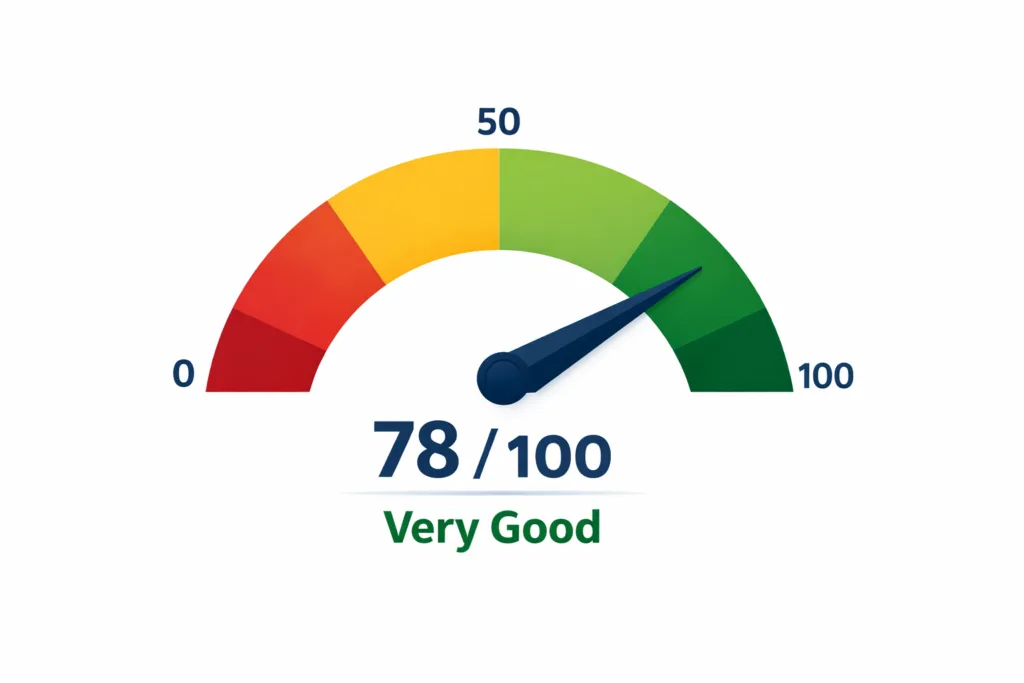
• Check your financial health score to determine what are the area you need to work upon.
• Track current expenses → project at 6% inflation → apply 33x (3% SWR).
• Add 20% healthcare buffer + emergency (6-12 months).
Step 2: Asset Allocation by Age
• 30-40: 70-80% equity (MF SIPs, NPS equity), 20-30% debt.
• 40-50: 60% equity.
• 50-60: 40% equity → shift to debt/annuities.
• Post-retirement: 30-40% equity for growth.
Step 3: Core Vehicles (Tax-Efficient 2026)
• EPF: Auto 12% salary contribution + employer match. Tax-free, 8.25%+ guaranteed. Max out.
• NPS: Tier 1 for retirement—up to ₹50k extra 80CCD(1B) deduction. Equity exposure up to 75%. Partial lump sum + annuity. Returns 9-11%.
• Equity Mutual Funds/SIPs: Large/mid-cap for growth. Historical 12-15%.
• PPF/SCSS: Debt safety (7.1% PPF).
• Health Insurance + Term Cover: Separate from corpus.
Step 4: Monthly SIP Targets (at 12% Returns)
• Tier 3 goal (₹3 Cr in 25 years): ~₹16,000/month.
• Tier 2 (₹4 Cr): ~₹21,000/month.
• Tier 1 (₹5 Cr): ~₹26,600/month.
• Tier 1 premium (₹4.5 Cr in 20 years from age 40): ~₹45,000/month.
Step 5: Age-Specific Action Plans
• 30s: Start ₹15-30k SIPs + max EPF/NPS. Review yearly. Goal: ₹1-2 Cr by 40.
• 40s: Ramp to ₹30-50k SIPs. Add real estate rentals if possible. Bucket strategy prep.
• 50s: De-risk, add SCSS at 60. Part-time income reduces corpus gap by ₹1 Cr.
• 60+: SWP from corpus + annuities. Reverse mortgage if needed.
Step 6: Advanced Tactics
• Downsize/relocate: Cuts corpus 30-40%.
• Part-time/consulting: ₹30-40k/month reduces needs ₹1 Cr.
• Children’s goals separate—don’t dip retirement.
• Annual rebalance + tax harvesting.
Common Mistakes to Avoid: Single inflation rate, ignoring medical, zero equity post-retirement, delaying (cost of delay: lakhs per month), lifestyle creep.
City/Tier-Wise Retirement Corpus Requirements & Actions (2026)
| City Tier | Comfortable Monthly Expense (Couple, Own Home) | Annual Expense | Required Corpus (3% SWR, Retiring Today) | Key Actions to Achieve (Example SIP @ 12% Returns) |
|---|---|---|---|---|
| Tier 1 Metro (Mumbai, Delhi, Bangalore etc | ₹1–1.5 Lakh | ₹12–18 Lakh | ₹4–6 Crore | • Start ₹25,000–35,000 monthly SIP from age 35 (25 yrs → ~₹5 Cr) • Max EPF + NPS equity • Consider relocation post-60 • Add 20% healthcare buffer |
| Tier 2 (Lucknow, Jaipur, Pune, Hyderabad etc.) | ₹75,000–1 Lakh | ₹9–12 Lakh | ₹3–4 Crore | • ₹18,000–22,000 monthly SIP • Maintain 60% equity allocation • Add rental income for stability • De-risk equity at age 50 |
| Tier 3 / Non-Metro (Smaller towns) | ₹50,000–70,000 | ₹6–8.4 Lakh | ₹2–2.8 Crore | • ₹12,000–16,000 monthly SIP from age 35 • Leverage EPF/NPS heavily • Part-time work feasible post-retirement • Minimal buffer needed |
Conclusion: Start Today for a Stress-Free Retirement
In 2026 India, retiring comfortably requires ₹2-6 crore+—achievable with discipline. The 3% SWR and 33x thumb rule provide a safe India-specific framework. Whether in a bustling Tier 1 metro or peaceful Tier 3 town, the key is early action, diversification (EPF + NPS + SIPs), and annual reviews.
Don’t wait for the “perfect” time—every month of delay costs lakhs in compounding. Track expenses, consult a fiduciary advisor, and use free calculators. Your future self will thank you. Secure your golden years now—because financial freedom isn’t a luxury; it’s a necessity in modern India.
Frequently Asked Questions (FAQs) About Retirement in India 2026
How much money do I actually need to retire comfortably in India in 2026?
The exact amount depends on your city tier and lifestyle. For a couple with their own home and moderate expenses, you need ₹4-6 crore in Tier 1 metros (Mumbai, Delhi, Bangalore), ₹3-4 crore in Tier 2 cities (Lucknow, Jaipur, Pune), and ₹2-2.8 crore in Tier 3 towns. These figures are calculated using the safe 3% withdrawal rate and assume you live till 90. Add a 20-30% buffer for healthcare.
What is the 3% safe withdrawal rate (SWR) and why is it better than the 4% rule in India?
The 3% SWR means you withdraw only 3% of your corpus in the first year (e.g., ₹13.5 lakh from ₹4.5 crore), then adjust for inflation every year. India-specific research recommends 3-3.5% instead of 4% because of higher healthcare inflation (12-14%), longer retirements (25-35+ years), and market volatility. It gives your money a much higher chance of lasting 35-40 years.
What are the thumb rules for calculating retirement corpus in India?
Use the 30x-33x rule for safety: multiply your expected annual retirement expenses by 33. For example, ₹12 lakh annual expense needs ₹4 crore corpus (₹12 lakh ÷ 0.03). The 25x rule is too aggressive for India; 35x-40x is ideal if you want early retirement or extra medical buffer. Always project current expenses forward at 6% inflation first.
How does the required retirement corpus change by age?
Age dramatically affects your target. In your 30s-40s, aim for ₹5-8 crore+ (longer retirement span). In 40s-50s, ₹4-6.5 crore is realistic. In your 50s-60s, ₹3-5 crore suffices because you have less time for inflation to grow expenses. Starting early (30s) is best because compounding reduces the monthly SIP needed.
Do I need different corpus amounts for Tier 1, Tier 2, and Tier 3 cities?
Yes — living costs vary hugely. Tier 1 metros require ₹1-1.5 lakh monthly (₹4-6 crore corpus). Tier 2 cities need ₹75,000-1 lakh monthly (₹3-4 crore). Tier 3 towns need only ₹50,000-70,000 monthly (₹2-2.8 crore). Relocating from a metro to a Tier 3 city after retirement can slash your required corpus by ₹2-3 crore.
What monthly SIP should I start today to build my retirement corpus?
Assuming 12% average returns:
• ₹3 crore (Tier 3 goal in 25 years) → ₹16,000/month
• ₹4 crore (Tier 2) → ₹21,000/month
• ₹5 crore (Tier 1) → ₹26,600/month
• ₹4.5 crore in 20 years (starting at 40) → ₹45,000/month
Combine this with EPF and NPS for faster growth.
Which investment options are best for retirement planning in India 2026?
Top choices:
• EPF (guaranteed 8.25%+, tax-free)
• NPS Tier 1 (9-11% returns, extra tax deduction)
• Equity mutual fund SIPs (12-15% long-term)
• PPF/SCSS for debt safety
Use a bucket strategy post-retirement: 50%+ in fixed income for first 15 years. Always keep health insurance and term cover separate.
How does healthcare inflation impact my retirement corpus?
Medical costs rise 12-14% every year — double general inflation. A ₹10,000 monthly medical expense today can become ₹40,000+ in 15 years. Always add a 20-30% extra buffer to your corpus and maintain a separate health insurance plan (₹10-20 lakh cover recommended). Many retirees underestimate this and run out of money in 10-12 years.
Can I retire early (at 50 or 55) in India?
Yes, but you need a bigger corpus (₹5-8 crore+) because your money must last 35-40 years. Use the same 3% SWR and 33x rule, but start aggressive SIPs (₹30,000-50,000/month) from your 30s. Many FIRE achievers also downsize to Tier 2/3 cities or generate ₹30-40k monthly passive income (rentals/consulting) to reduce the required corpus by ₹1 crore.
Should I factor in home ownership and children’s education in retirement planning?
Yes — assume you own your home (no rent post-retirement) to keep expenses lower. Never use your retirement corpus for children’s education or marriage; keep those goals separate. If you still have a home loan at retirement, pay it off before you stop working. Partial income from rentals or part-time work can comfortably reduce your corpus need by ₹1-1.5 crore.
How often should I review and update my retirement plan?
Review every year or after major life events (marriage, job change, market crash). Recalculate your corpus with current expenses, inflation, and returns. Rebalance your portfolio annually (shift from equity to debt as you age). Use free online calculators or consult a SEBI-registered fiduciary advisor once every 2-3 years.
What if I start late (after 45)? Is it still possible to retire comfortably?
Absolutely — even starting at 45-50 is possible. You may need to save more aggressively (₹50,000+/month), delay retirement by 3-5 years, or move to a Tier 2/3 city. Adding small passive income (₹30-40k/month) or using annuities from NPS can bridge the gap. Every extra year of work and saving cuts your required corpus by 20-30%.

Vishal Jhaveri is the founder of Wealthpedia and an MBA Finance professional with over 10 years of experience in financial planning, investing, and wealth creation. He specializes in FIRE (Financial Independence, Retire Early), retirement planning, investing, and personal finance education. Through Wealthpedia, he develops financial calculators and publishes evidence-based content to help Indian investors make informed financial decisions. He regularly reviews and updates Wealthpedia articles to reflect changes in tax, laws, investment regulations, and personal finance best practices.
Quick Wrap up