
Hey there, fellow Indian saver! If you still believe that keeping just three months of expenses tucked away in the bank is enough to protect your family in 2026, you are definitely not alone. Millions of middle-class families across India still follow this old advice they heard from parents or colleagues. But the hard truth is — that rule is now completely outdated.
The world around us has changed faster than most people realise. Inflation is steadily eating away at our money at 5-6% every year. Jobs that once felt safe are suddenly uncertain. Families are quietly borrowing more and more just to cover daily expenses like groceries, school fees, and medical bills. Recent warnings from top Chartered Accountants and RBI reports are loud and clear: three months simply won’t cut it anymore for India’s middle class in 2026.
At Wealthpedia.in, our mission is simple — we help you build real, long-lasting financial health instead of just giving quick tips that stop working after a few years. This complete guide updates everything you need to know for 2026. We use easy math, real stories from Indian families like yours, and practical steps you can start today. The best part? This article links directly to our free Financial Health Score Calculator plus all our other helpful tools. By the time you finish reading, you will know exactly how much emergency money you need, where to keep it safely, and why this single step can dramatically boost your overall money score while protecting your SIPs and retirement dreams.
Let’s dive deep into this together. This is not complicated theory — it is practical, step-by-step advice that real Indian families are already using successfully in 2026.
Why the Classic 3-Month Emergency Fund Rule No Longer Works in 2026
Remember the old advice everyone grew up hearing? “Keep three months of your salary safe in the bank and you’ll be fine.” That advice worked well ten or fifteen years ago. Back then inflation was lower, most jobs felt secure, and families spent less on sudden big expenses. But 2026 is a completely different story.
First, inflation is quietly but steadily reducing the value of your money. A well-known Chartered Accountant, Nitin Kaushik, recently explained it in simple words: “The math of survival has changed. A decade ago, three months was the gold standard. Today, with 5% to 6% inflation and a much more volatile job market, six months is now the absolute minimum floor. For families with children or elderly parents to support, one full year is safer.”
Second, household debt across India has climbed to 41.3% of GDP by March 2025 — higher than the five-year average. More than half of this debt is not for buying homes or starting businesses. It is consumption debt — personal loans and credit cards used just to manage monthly living costs. The RBI’s latest Financial Stability Report clearly shows this worrying trend. Families are borrowing to survive instead of saving for emergencies.
Third, the Union Budget 2026 has encouraged a major shift in how Indians save. More and more families are moving money out of safe bank deposits and into shares, mutual funds, and pension plans. While this is excellent for long-term growth, it means less “ready cash” is available when an emergency suddenly hits. You may be forced to sell investments at a loss or take expensive loans.
On top of all this, job markets feel much shakier. People in IT, startups, private companies, and even some government-related roles are now facing job searches that last four to six months or longer. Medical costs are rising even faster — medical inflation is close to 11-12% in many cities. One unexpected hospital bill or family emergency can easily wipe out many months of income.
Because of these changes, financial experts across India now recommend a flexible 3-6-12 month rule instead of the old fixed three-month target. The exact number depends on your age, family responsibilities, job type, and the city you live in. We will break all of this down clearly in the next section so you can find your perfect number in minutes.
New 2026 Rules: Age-Wise, Family Situation, and City-Tier Breakdowns
There is no longer a single “one-size-fits-all” answer. Here is the updated 2026 guide made simple and practical for every Indian reader.
By Your Job and Stability
• Stable government or large MNC job (very low risk): 4-6 months minimum. Your salary is reliable, so you do not need an extra-large cushion.
• Private sector or IT job (medium risk): 6-9 months. Layoffs and slowdowns can happen quickly these days.
• Self-employed, freelancer, or small business owner (high risk): 12 months or more. Your income can go up and down dramatically from month to month.
By Family Situation
• Single with no dependents: Start with 3-4 months if your job is steady, but most experts now recommend pushing to 6 months for real peace of mind.
• Married with kids or supporting parents (single-income family): 9-12 months. You are responsible for more people, and one job loss can hurt the entire family.
• Dual-income family: 6-8 months. Two salaries give some protection, but you should still plan for the possibility that both incomes could be affected during a recession.
By Age Group (Life Stage Changes Everything)
• Under 30 (young professionals): 6-9 months. You are still building your career and may have student loans or EMIs to pay. Job changes are very common at this stage.
• 30-40 (family-building years): 9-12 months. Kids’ education, home loans, and rising daily costs put extra pressure on your budget.
• 40-50 (peak earning years): 6-9 months. You may have built some savings already, but sudden health issues or higher education costs for children can appear without warning.
• 50+ or nearing retirement: 12 months or more. Once regular salary stops, it becomes much harder to find new work quickly.
City-Tier Adjustment (Living Costs Make a Big Difference)
Living expenses vary a lot across India, so adjust your target months accordingly:
• Tier-1 cities (Mumbai, Delhi, Bangalore, Hyderabad): Add 2-3 extra months. Rent, school fees, transport, and groceries can be 30-50% higher than elsewhere.
• Tier-2 cities (Ahmedabad, Pune, Chandigarh, Lucknow): Standard 6-9 months works well. Costs are more moderate.
• Tier-3 towns or rural areas: 3-6 months base is often enough because rent and daily costs are lower and your money stretches further.
Here is a quick comparison table for easy reference:
Our earlier emergency fund guide (How much Emergency Fund should you have) explained the basics and suggested six months as a good starting target. The 2026 update adds these important layers so your fund actually matches today’s realities.
How to Calculate Your Exact Emergency Fund in 2026?
Do not guess the amount — follow these simple steps. It takes only 10-15 minutes and gives you an exact number you can trust.
How to Calculate Your Exact Emergency Fund in 2026?
5 Minutes (max)
Step 1: List only your Monthly Essentials
Write down every bill you must pay even if your income suddenly stops: rent or home loan EMI, groceries, milk, electricity, water, internet, gas, school fees, medicines, health insurance premium, minimum loan EMIs, and transport. Ignore dining out, shopping, movies, or vacations.
Step 2: Multiply by your target months
Use the rules and table above. Example: You are 35, married with one child, working a private job in Pune (Tier-2 city), and your monthly essentials total ₹55,000. Target = 9 months → ₹4,95,000.
Step 3: Add 10% extra for inflation
Prices are still rising, so ₹4,95,000 becomes approximately ₹5.45 lakh to stay safe in 2026.
Step 4: Review every year
Life keeps changing — new baby, salary increase, or move to a different city. Check your number again on your birthday or right after the annual Budget.
Pro tip: Start with our free Net Worth Calculator to see your complete money picture, then immediately use the Financial Health Score Calculator. It already includes your emergency fund in the scoring and can jump your result from “average” to “excellent” once the fund is ready.
Where to Park Your Emergency Fund (Safe and Liquid Options for 2026)
Safety comes first, followed by some returns. Never put this money in stocks or long-term equity funds because you may need it tomorrow.
Best 2026 Mix Recommended by Experts
• 30% in regular Savings Account → instant access, rates around 3-3.5%.
• 30% in short-term Fixed Deposits (laddered) → rates 5-7%, easy to break if needed.
• 40% in Liquid Mutual Funds or Money Market Funds → can withdraw in one day, returns 6-7%, and they beat inflation slightly without market risk.
Example for a ₹5 lakh fund: ₹1.5 lakh in savings, ₹1.5 lakh in laddered 3-month FDs, and ₹2 lakh in a liquid fund.
Avoid gold (not quick enough to sell), equity mutual funds (too volatile), very long FDs (high penalties), or crypto (too risky).
Automation tip: Set up a small monthly auto-transfer from your salary account. Even ₹5,000–8,000 per month grows the fund steadily. Our SIP Calculator at Wealthpedia shows how building this fund first actually protects and improves your long-term investments.
The Big Risks of Skipping or Under-Funding Your Emergency Fund in 2026
This is the section that hurts the most when families ignore it.
Risk 1: Falling into a high-interest debt trap
No fund means you reach for credit cards at 36%+ interest or personal loans at 12-18%. A ₹2 lakh medical bill can easily become ₹3 lakh or more within a year.
Risk 2: Completely derailing your retirement plans
Read our March 21 post “How Much to Invest Monthly in India for Retirement in 2026”. Without a proper buffer you may have to stop SIPs or sell investments at the worst possible time, losing years of compounding.
Risk 3: Constant stress and family arguments
Money worries affect health and relationships. Our March 25th post “7 Real-Life Personal Finance Mistakes” shares many such stories.
Risk 4: Damage to your credit score
Late payments or new high-interest loans lower your CIBIL score, making future home or car loans more expensive or even impossible to get.
Real Indian Stories from 2026
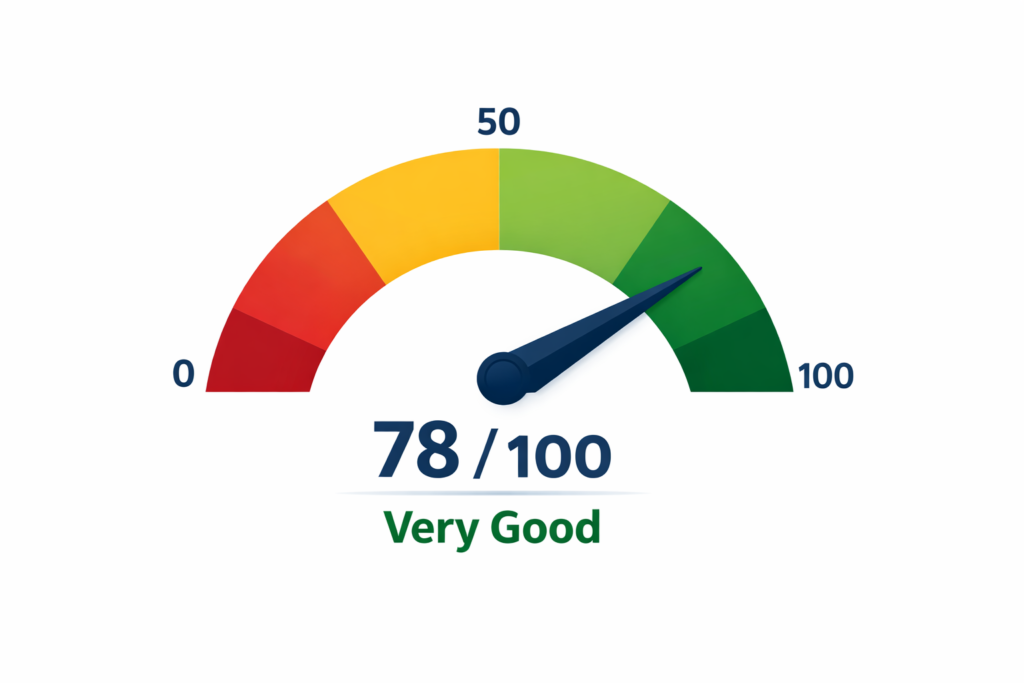
1. Rahul, 32, Bangalore IT professional — had only 2 months saved. Job loss lasted 5 months. Borrowed ₹3 lakh at 15% interest. Took two full years to recover. His Financial Health Score was 42/100; now 78 after building the fund.
2. Priya, 38, Mumbai (husband freelancer) — kept 12 months ready. Husband’s 4-month income gap passed without any new loans. Score jumped 25 points.
3. Amit, 45, Ahmedabad Tier-2 — only 3 months saved. One parent’s hospital stay forced him to pause all SIPs and lose ₹2 lakh in future growth.
4. Sneha, 28, Hyderabad single professional — started with 4 months but increased to 8 after reading this guide. When her company downsized she stayed calm and kept investing.
5. Rajesh & Meena, 42, Pune dual-income — under-funded at 5 months. Both faced salary cuts in the same quarter. They had to use credit cards and are still paying interest.
These stories are common. Do not let one happen to your family.
Common Mistakes Indians Make When Building Emergency Funds in 2026
Many people start with good intentions but make these easy-to-avoid errors:
- Counting non-essential spending in monthly expenses
- Keeping everything in one low-interest savings account
- Mixing emergency money with investment accounts
- Forgetting to adjust for inflation or family changes
- Starting big SIPs before the emergency fund is ready
Avoid these mistakes and you will stay ahead of most families.
Action Plan: Build Your 2026 Emergency Fund in Just 90 Days
Follow this simple 90-day plan:
Days 1–15: Calculate your exact target and run the Financial Health Score Calculator.
Days 16–30: Open the three accounts (savings + FD + liquid fund) and move whatever you already have.
Month 2: Automate transfers of ₹5,000–10,000 every salary day. Use any bonus or tax refund to give it a big boost.
Month 3: Review progress and celebrate when you cross 50% of your target.
Once complete, return to aggressive SIPs and retirement planning with confidence.
Bonus Tools from Wealthpedia.in
A strong emergency fund does much more than protect — it supercharges your entire Financial Health Score.
Frequently Asked Questions
Is 3 months still okay for anyone in 2026?
Only for single people with zero debt, a rock-solid government job, and very low living costs. For almost everyone else the answer is no.
What exactly counts as “essentials”?
Only the must-pay bills. Aim for 60-70% of your current monthly spending.
Should insurance premiums be included?
Yes — health and term life premiums must be paid to protect the fund itself.
Can I use my EPF or PPF balance as emergency money?
No. Withdrawal rules, taxes, and delays make them unsuitable. Keep them separate.
I already have some debt — what should I do first?
Build at least 1-3 months of emergency money first, then focus on high-interest debt.
Liquid funds or FDs — which is better right now?
Liquid funds usually give slightly higher returns and faster access. FDs are safer if you want zero market risk.
How often should I review the fund?
Every time your income, family size, or city changes — and always after the annual Budget.
Does inflation change my target every year?
Yes. A 5-6% rise means your ₹5 lakh target becomes ₹5.3 lakh the next year.
Can I invest part of the fund for better returns?
Only any amount above your 6-month minimum — and only in very safe debt funds.
I am already retired — how much do I need?
12–24 months or more because you have no salary to replace.
Is the interest from the emergency fund taxable?
Yes, it is added to your income and taxed as per your slab. The small tax is worth the protection you get.
How does this fit with my SIPs and retirement planning?
Build the emergency fund completely first. Our retirement guide explains why skipping this step can destroy long-term goals.
What if my expenses change suddenly?
Recalculate immediately and adjust the fund within the next two months.
Can I keep the fund in one single account?
You can start that way, but the 30-30-40 split gives better safety and returns.
Does a good emergency fund help my credit score?
Yes — it reduces the chance of late payments and new high-interest loans.
Should I include children’s future education costs?
No — those belong in a separate education corpus, not the emergency fund.
What if I live in a joint family?
Calculate only your direct responsibilities but add a small extra buffer for unexpected family needs.
Are there any new 2026 rules from the government I should know?
The Budget encouraged moving to market-linked savings, which is why liquidity matters more than ever.
How do I explain this to my spouse or parents?
Show them the simple table and one real story from above — numbers speak louder than words.
What is the fastest way to check my progress?
Use our free Financial Health Score Calculator every month — it updates instantly and shows your improvement.
Final Thoughts: Your 2026 Financial Health Journey Starts Today
The old three-month rule was simple and worked in the past, but 2026 demands smarter and more realistic planning. With household debt rising, savings shifting toward equities, and living costs climbing, a proper emergency fund is no longer a “nice-to-have” option — it is the solid foundation of your entire financial life.
It protects you from expensive debt traps, lets you invest with confidence, and directly lifts your Financial Health Score. Thousands of readers on Wealthpedia.in have already used our calculators and guides to move from feeling stressed about money to feeling secure and in control.
Your simple next steps today:
1. Open Financial Health Score and check your current score right now.
2. Calculate your personal 2026 target using the steps above.
3. Start building — even ₹2,000 transferred this month is meaningful progress.
Share this article with your family members, colleagues, or WhatsApp groups. Comment below with how many months you currently have saved — let’s learn and grow together.
At Wealthpedia.in we are committed to making personal finance simple, practical, and perfectly suited for Indian families in 2026 and beyond. Bookmark this page, re-read the linked posts whenever needed, and use the calculators regularly. Your future self and your loved ones will thank you for taking this step today.
Stay financially healthy and confident.

Vishal Jhaveri is the founder of Wealthpedia and an MBA Finance professional with over 10 years of experience in financial planning, investing, and wealth creation. He specializes in FIRE (Financial Independence, Retire Early), retirement planning, investing, and personal finance education. Through Wealthpedia, he develops financial calculators and publishes evidence-based content to help Indian investors make informed financial decisions. He regularly reviews and updates Wealthpedia articles to reflect changes in tax, laws, investment regulations, and personal finance best practices.
Quick Wrap up